마이클 맥너매러(Michael McNamara), 맥키니 헬스(McKinney Health) 매니징 디렉터
제약 업계는 수년 동안 환자를 모든 활동의 중심에 두겠다고 말해 왔다. 우리는 환자 여정(patient journey)을 만들고, 수많은 인터뷰를 진행하고, 페르소나를 개발하고, 수천 건의 환자 후기를 제작했다. 그런데도 여전히 사람들과 진정으로 인간적인 방식으로 연결되는 데는 어려움을 겪는다. 맥키니 헬스는 이제 변화가 필요하다고 생각한다. 그래서 환자 참여에 대한 새로운 접근법인 ‘LEAP(Living Experience Ambassador Programs, 리빙 익스피리언스 앰배서더 프로그램)’를 출범했다. 출발점은 단순하다. 사람들은 헬스케어 안에서 살지 않는다. 현실 세계에서 산다.
환자 중심 마케팅의 문제
‘환자 중심(patient-centric)’이라는 말은 헬스케어 마케팅에서 너무 흔해져서, 이제 의미를 갖는지조차 모르겠다. 모든 제약회사가 환자 중심을 표방한다. 모든 에이전시에는 환자 여정이 있다. 그리고 모든 브랜드에는 치료제가 자신의 삶을 어떻게 바꿔 놓았는지 들려주는 앰배서더가 있는 듯하다.
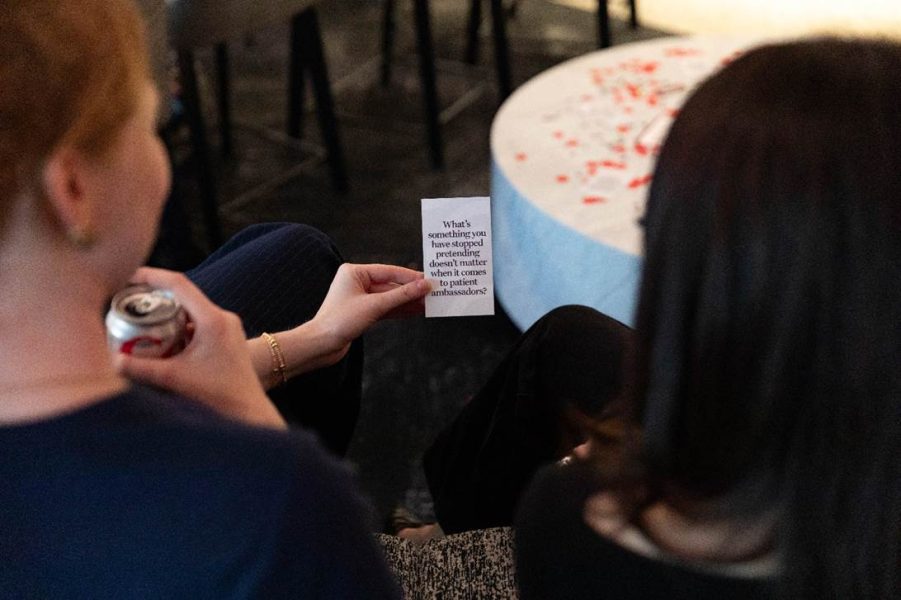
오해는 말아 달라. 환자 앰배서더는 헬스케어에서 대단히 중요한 역할을 한다. 같은 진단과 같은 두려움, 같은 어려움을 겪은 사람의 이야기는 에이전시가 만들어 낼 수 있는 그 어떤 것보다 힘이 셀 수 있다.
하지만 어느 순간부터 우리는 이들을 실제 사람이라기보다 콘텐츠 크리에이터처럼 대하기 시작했다.
우리는 이들을 모집하고, 인터뷰하고, 이야기를 담아서, 그 이야기를 영상과 웹사이트와 소셜 콘텐츠로 만든다. 그리고 다음 캠페인으로 넘어간다.
우리가 관계에서 가장 값진 부분을 놓치고 있는 것은 아닐까?
사람들은 광고가 아니라 사람을 찾는다
삶을 바꿀 진단을 받은 사람에게 어떤 일이 일어나는지 생각해 보자. 물론 의사와 이야기한다. 하지만 집에 돌아가 노트북을 열고 검색을 시작하기도 한다.
새벽 2시에 레딧(Reddit)에 들어가 있다. 틱톡(TikTok) 영상을 보고 있다. 의사에게는 묻기 민망할 수 있는 질문을 AI에게 하고 있다. 그리고 자신이 겪는 일을 이해해 줄 사람을 찾고 있다.
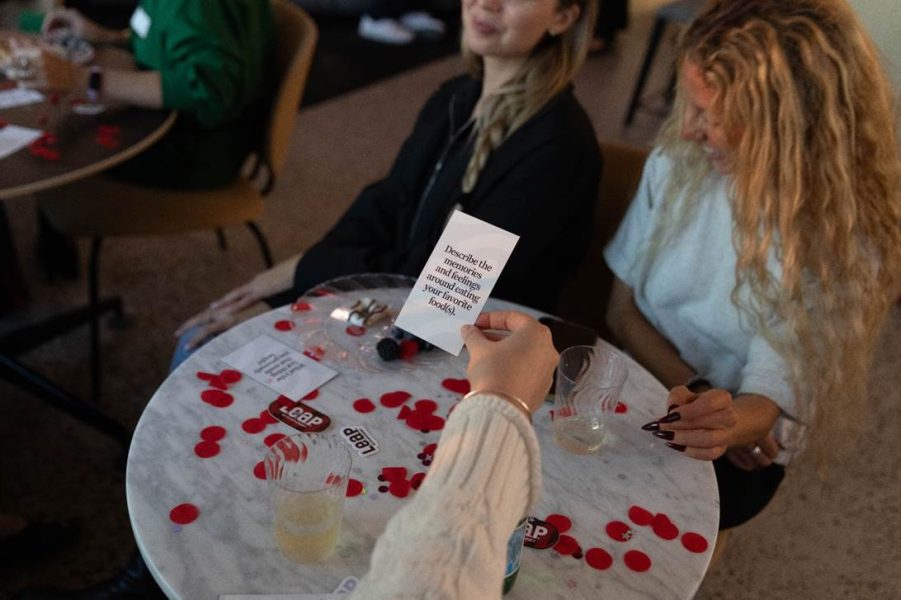
반드시 의학 전문가나 잘 다듬어진 브랜드 앰배서더일 필요는 없다. 때로는 하루를 어떻게 버텨 내야 하는지 알아낸 사람의 이야기를 듣고 싶을 뿐이다.
만성 질환을 관리하면서 아이를 키우고, 전일제로 일하고, 일상의 감각을 어떻게든 지키려 애써 본 사람의 이야기 말이다.
헬스케어 업계는 전통적으로 임상적 환자 여정에 초점을 맞춰 왔다. 진단, 치료, 순응도, 치료 성과. 모두 대단히 중요하다.
그렇다면 그 사이사이에 벌어지는 모든 일은 어떤가?
삶은 바로 거기서 일어난다. 그리고 브랜드에게 가장 의미 있는 기회 중 일부도 거기에 있다.
환자 스토리에서 ‘살아 있는 경험‘으로
환자 참여의 다음 진화는 이야기를 수집하는 데서 지속적인 관계를 구축하는 쪽으로 옮겨 가는 것이라고 생각한다.
환자 앰배서더 프로그램이 단순히 콘텐츠를 만드는 수단이 아니라, 사람들이 실제로 어떻게 살아가는지에 대한 인사이트가 끊임없이 흘러나오는 원천이라면 어떨까?

이들은 오늘 어떤 어려움을 겪고 있는가? 커뮤니티에서는 어떤 이야기를 나누고 있는가? 어떤 새로운 질문이 떠오르고 있는가? 다른 사람에게 도움이 될 만한 무엇을 스스로 찾아냈는가?
그리고 어쩌면 가장 중요한 질문은, 브랜드가 그 대화에서 무엇을 배울 수 있느냐다.
희귀하고 평생 이어지며 몸을 쇠약하게 하는 질환과 함께 사는 사람을 생각해 보자. 전통적인 앰배서더 프로그램이라면 진단, 치료 경험, 임상적 경과에 초점을 맞출 것이다.
하지만 지속적인 대화를 이어 가다 보면, 그 사람이 자립을 유지하기 위해 집을 창의적으로 고쳐 온 방식을 알게 될 수도 있다. 그러면 갑자기 기회가 생긴다. 실용적인 주택 개조를 주제로, 실제로 그렇게 해 본 사람들이 직접 나오는 교육 콘텐츠를 만들 수 있다.
대본에 따라 읽는 또 하나의 후기보다 훨씬 의미 있는 연결이다.
앰배서더의 역할도 달라진다. 더 이상 브랜드의 이야기를 대신 전하는 사람이 아니다. 브랜드가 다음에 무엇을 할지를 함께 만들어 가는 사람이 된다.
‘LEAP’로 도약하다
이런 생각에서 출발해, 우리는 제일기획(Cheil Worldwide) 네트워크의 일원인 맥키니 헬스에서 LEAP(Living Experience Ambassador Programs)를 출범했다.
LEAP는 앰배서더를 단순히 관리하는 데 그치지 않고, 우리가 ‘리빙 익스피리언스 생태계(Living Experience Ecosystems)’라고 부르는 것을 구축하도록 설계되었다. 삶의 경험이 전략, 크리에이티브 아이디어, 콘텐츠, 참여 활동에 지속적으로 반영되는 상시 커뮤니티다.
환자 경험 전문가, 전략가, 크리에이티브 팀, 그리고 AI 기반 인텔리전스를 하나로 모아, 사람들의 실제 삶과 헬스케어 브랜드의 기회를 잇는 모델을 만들고 있다.
이번 출범은 이미 업계의 주목을 받았다. MM&M(Medical Marketing + Media)은 맥키니 헬스가 환자 옹호(patient advocacy) 및 앰배서더 프로그램 분야로 사업을 확장한다는 점을 비중 있게 다뤘다.
리더십에도 상당한 투자를 하고 있다.
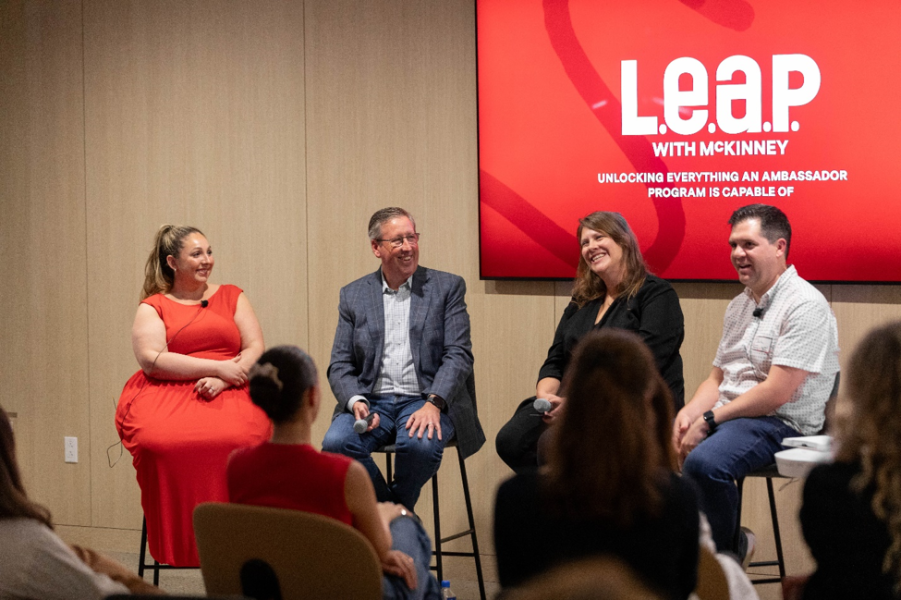
로라 카탈루시(Laura Catalusci, MA, MCHES)가 LEAP를 이끌 애드보커시(Advocacy) 총괄 이그제큐티브 디렉터로 맥키니 헬스에 합류했다. 로라는 업계에서 손꼽히는 환자 경험 리더로, 50개 이상의 브랜드 론칭과 60개 이상의 질환 영역에 걸친 20년 넘는 경력을 갖췄다. 이전에는 IPG 헬스(IPG Health)에서 수상 경력을 자랑하는 환자 경험 에이전시인 유주옐로(YuzuYello)와 유주제스트(YuzuZest)를 설립해 이끌었으며, 2025년에는 PM360 엘리트 100(PM360 Elite 100)의 ‘마스터 에듀케이터(Master Educator)’로 선정되었다.
로라를 맥키니 헬스에 영입한 것은 카테고리를 선도하는 환자 참여 서비스를 만들겠다는 우리의 포부를 향한 중요한 걸음이다. 그의 전문성에 맥키니의 크리에이티브 유산, 제일기획의 글로벌 역량이 더해지면, 환자 옹호가 무엇이 될 수 있는지 다시 생각해 볼 기회가 열린다.
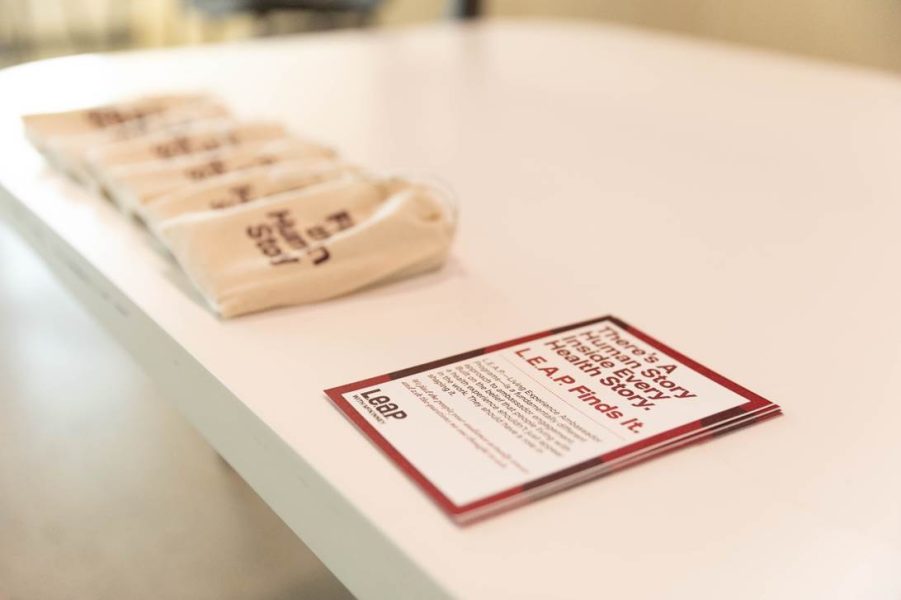
미래는 인간적이다
기술과 AI는 환자 커뮤니티를 찾고, 이해하고, 만나는 방식을 분명 바꿔 놓을 것이다. 하지만 나는 환자 참여의 미래가 인간적 연결을 기술로 대체하는 데 있다고 생각하지 않는다.
기술을 활용해 진정한 인간적 연결의 기회를 더 많이 만드는 것이 핵심이다.
우리는 너무 오랫동안 환자들에게 우리 브랜드의 이야기를 전해 달라고 요청해 왔다.
이제는 어떤 이야기가 전할 가치가 있는지 그들의 삶이 우리에게 알려 주도록 할 때일지도 모른다.
* * *
* 원문
McKinney Health Takes a Giant LEAP: Rethinking the Future of Patient Engagement
By Michael McNamara at McKinney Health
For years, the pharmaceutical industry has talked about putting patients at the center of everything we do. We’ve built patient journeys, conducted countless interviews, developed personas, and created thousands of patient testimonials. Yet somehow, we still struggle to connect with people in ways that feel genuinely human. At McKinney Health, we think it’s time for a change. That’s why we’ve launched LEAP, Living Experience Ambassador Programs, a new approach to patient engagement that starts with a simple idea: People don’t live in healthcare. They live in the real world.
The Problem With Patient-Centric Marketing
The term “patient-centric” has become so common in healthcare marketing that I’m not sure it means much anymore. Every pharmaceutical company claims to be patient-centric. Every agency has a patient journey. And every brand seems to have an ambassador telling us how a treatment changed their life.
Don’t get me wrong. Patient ambassadors play an incredibly important role in healthcare. Hearing from someone who has experienced the same diagnosis, fears, and challenges can be more powerful than anything an agency could create.
But somewhere along the way, we started treating these people more like content creators than actual people.
We recruit them, interview them, capture their stories, and turn those stories into videos, websites, and social content. Then we move on to the next campaign.
What if we’re missing the most valuable part of the relationship?
People Are Looking for People, Not Another Advertisement
Think about what happens when someone receives a life-changing diagnosis. Of course, they talk to their doctor. But they also go home, open their laptop, and start searching.
They’re on Reddit at 2 a.m. They’re watching TikTok videos. They’re asking AI questions they might be embarrassed to ask their physician. And they’re looking for people who understand what they’re going through.
Not necessarily medical experts or polished brand ambassadors. Sometimes they just want to hear from someone who has figured out how to get through the day.
Someone who knows what it’s like to manage a chronic condition while raising children, working full-time, or trying to maintain some sense of normalcy.
The healthcare industry has traditionally focused on the clinical patient journey. Diagnosis, treatment, adherence, outcomes. All critically important.
But what about everything that happens between those moments?
That’s where life happens. And that’s where some of the most meaningful opportunities for brands exist.
From Patient Stories to Living Experiences
I believe the next evolution of patient engagement is moving from collecting stories to building ongoing relationships.
Imagine if patient ambassador programs weren’t simply a way to produce content, but a continuous source of intelligence about how people actually live.
What challenges are they facing today? What are they discussing in their communities? What new questions are emerging? What have they figured out that could help someone else?
And perhaps most importantly, what can brands learn from those conversations?
Consider someone living with a rare, lifelong debilitating disease. A traditional ambassador program might focus on their diagnosis, treatment experience, and clinical progress.
But through ongoing conversations, you might discover the creative ways they’ve adapted their home to maintain independence. Suddenly, there’s an opportunity to create educational content around practical home modifications, featuring people who have actually done it.
That’s a much more meaningful connection than another scripted testimonial.
It also changes the role of the ambassador. They’re no longer simply telling a brand’s story. They’re helping shape what the brand does next.
Taking a Giant LEAP
This thinking led us to launch LEAP (Living Experience Ambassador Programs) at McKinney Health, part of the Cheil Worldwide network.
Rather than simply managing ambassadors, LEAP is designed to build what we call Living Experience Ecosystems. These are ongoing communities where lived experiences continuously inform strategy, creative ideas, content, and engagement.
By bringing together patient experience specialists, strategists, creative teams, and AI-enabled intelligence, we’re creating a model that connects the realities of people’s lives with the opportunities for healthcare brands.
The launch has already attracted industry attention, including coverage from MM&M (Medical Marketing + Media), which highlighted McKinney Health’s expansion into patient advocacy and ambassador programming.
We’re also making a significant investment in leadership.
Laura Catalusci, MA, MCHES, has joined McKinney Health as Executive Director of Advocacy to lead LEAP. Laura is one of the industry’s most accomplished patient experience leaders, bringing more than 20 years of experience across 50+ brand launches and 60+ disease states. She previously founded and led IPG Health’s award-winning patient experience agencies, YuzuYello and YuzuZest, and was recognized as a PM360 Elite 100 Master Educator in 2025.
Bringing Laura to McKinney Health is a major step in our ambition to build a category-leading patient engagement offering. Her expertise, combined with McKinney’s creative heritage and Cheil’s global capabilities, gives us an opportunity to rethink what patient advocacy can become.
The Future Is Human
Technology and AI will undoubtedly change how we identify, understand, and engage patient communities. But I don’t believe the future of patient engagement is about replacing human connection with technology.
It’s about using technology to create more opportunities for genuine human connection.
For too long, we’ve asked patients to help tell our brands’ stories.
Maybe it’s time we started letting their lives tell us what stories are worth telling.
* * *